

What is Private Equity?
Private Equity is an asset class based on the use of private capital to invest in companies that are not listed on a stock exchange. A large share of transactions in this industry involves a significant capital injection and, in some cases, that capital is financed largely through debt. One of the most famous debt-financed deals was KKR’s acquisition of RJR Nabisco in 1989, for around $24 billion (approximately $104 per share). This transaction is an example of what is known as a take-private transaction—a situation in which a Private Equity fund acquires a publicly listed company with the aim of taking it off the public market, managing it privately, away from the pressures and regulatory obligations associated with being listed. The value was considered astronomical at the time, and the corporate drama surrounding it was immortalised in a best-selling book and a film, both with the same name: Barbarians at the Gate.
How does a Private Equity fund work?
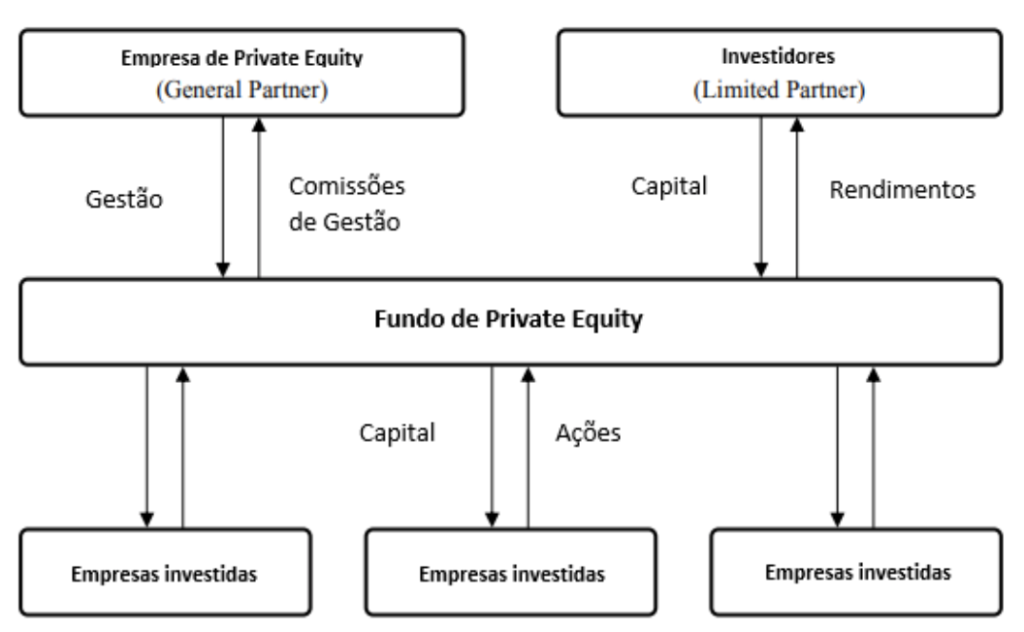
To begin an investment, the Private Equity firm first creates a vehicle specifically for that purpose: a closed-end fund. This fund is typically made up of two types of participants: limited partners and general partners.
The general partners are represented by the Private Equity firm itself, commonly referred to as the Management Company, and are responsible for establishing and managing the fund. They typically contribute around 2% of the total capital.
The limited partners—who contribute the remaining 98%—are typically institutional investors such as pension funds, insurance companies or sovereign wealth funds, as well as high-net-worth individuals (HNWIs) seeking to diversify their portfolios with exposure to alternative assets.
3 ways to exit a Private Equity investment
After investing in and managing a portfolio of companies, the time comes when the fund needs to realise its return—that is, to sell its holdings. This decision is known as an exit strategy, and it is one of the most debated topics within the venture capital ecosystem, as it makes it possible, to some extent, to draw conclusions about the ability to generate returns and the value creation of the Private Equity industry for the economy.
Below are some of the most common exit strategies used in Private Equity.
Secondary buyout
In this model, a Private Equity firm sells one of its portfolio companies to another Private Equity firm. It is an option that generates some controversy: if the first fund has worked on the company for several years—improving margins, optimising costs and strengthening cash flow generation—the question remains as to how much room for improvement is left for the second. In practice, this exit tends to occur when a fund is nearing the end of its life cycle, which puts pressure on fund managers to find a quick and smooth way to deliver returns to limited partners. The inability to exit an investment quickly can damage the reputation of the fund and the GP, making it harder to raise capital in the future. For the buyer, it may represent an opportunity to extract value that the seller, due to lack of time or some other reason, was unable to realise.
Trade Sale
In this case, the Private Equity firm sells its stake to a strategic buyer—typically a company operating in the same sector as the portfolio company. Because it knows the market well, this type of buyer is often willing to pay a premium for the acquisition and tends to move more swiftly through due diligence processes. Like a secondary buyout, this is a fast and flexible exit, allowing the fund to sell its stake in full and immediately.
IPO
An Initial Public Offering (IPO) is the exit strategy in which the company is listed on a stock exchange, making its shares available for trading in the market. The return for the Private Equity fund results from the difference between the amount initially invested and the value realised from selling the shares in the market—plus any dividends and other returns generated over the holding period.
It is common for the fund to sign a lock-up agreement—often required by the banks coordinating the transaction—which prevents the sale of the remaining shares for a period of 6 to 12 months after the IPO, avoiding immediate selling pressure on the stock. An IPO is generally seen as a sign of quality: it is usually the best companies in the portfolio that reach the market in this way.